
The Inheritance Nobody Asked For
Not every inheritance is a gift. Sometimes what’s left behind is a house with a mortgage in default, a foreclosure lawsuit already filed, and a financial hole that feels deeper than it’s worth. And the question that many heirs quietly wonder , but rarely ask out loud , is: do I actually have to take this?
The answer might surprise you: no, you don’t.
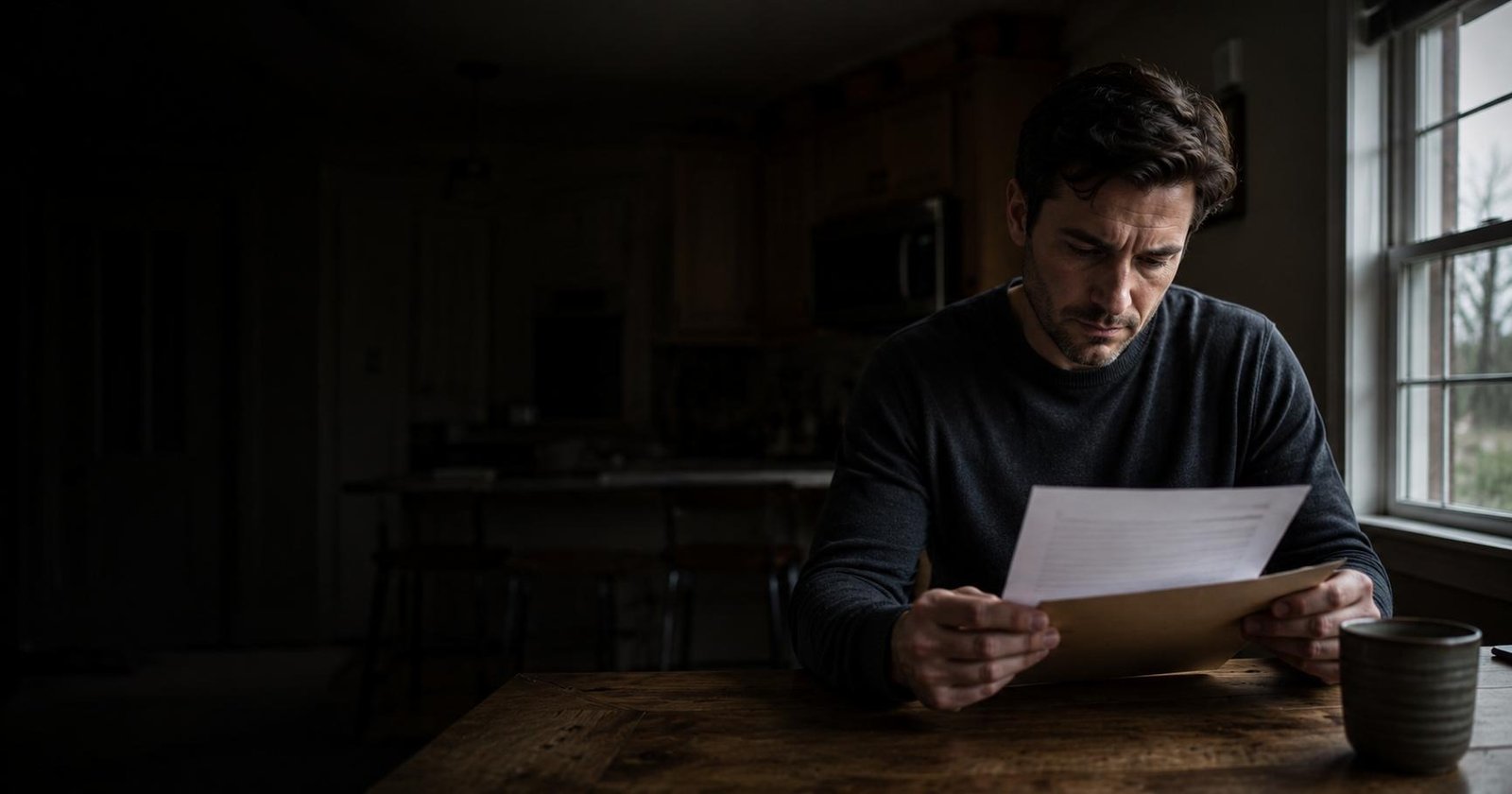
What Is a Disclaimer of Inheritance?
In legal terms, refusing an inheritance is called a “disclaimer” or “renunciation.” It means you formally decline to accept the property and the obligations that come with it. When you disclaim an inheritance, legally it’s as if you never received it , the asset passes to the next person in line, whether that’s another heir, a trust, or the estate itself.
This can be a smart move when the property has more debt attached to it than value. If the home is deeply underwater , meaning the mortgage balance exceeds what the house is worth , and there’s no equity to protect, sometimes walking away cleanly is the most financially sound choice.
When Does Disclaiming Make Sense?
Disclaiming makes sense when the home has little or no equity, the cost of maintaining or repairing it outweighs the benefit, other heirs are better positioned to handle it, or accepting it would create personal financial or legal complications for you.
It does not make sense to disclaim without fully understanding the equity picture. Many heirs assume the worst , that a home in foreclosure is worthless , when in reality there may be significant equity that could be recovered through a sale or short sale. Disclaiming in that situation means leaving real money on the table.
The Rules Around Disclaiming
Disclaimers have strict rules. In most states, you must file the disclaimer within nine months of the date of death, and you cannot have accepted any benefit from the property before disclaiming. If you’ve been collecting rent from the property, paying its bills, or managing it in any way, you may have already legally “accepted” the inheritance, even without signing anything.
This is why acting quickly matters. The window is finite, and the clock starts at the moment of death , not at the moment you find out about the foreclosure.
What Happens to the Property If You Disclaim?
If you disclaim, the property passes to the next person in the inheritance line , often a sibling, other family member, or ultimately back to the estate. From there, the estate handles the property, which may mean a sale, a negotiation with the bank, or ultimately allowing foreclosure to proceed.
It’s worth noting that disclaiming is permanent. You cannot change your mind. If the home later turns out to have equity you didn’t know about, you won’t be able to reclaim it.
Before You Decide Anything
The most important thing you can do right now is understand the true financial position of the property. What is it worth today? What is owed? How far along is the foreclosure? Are there other liens or taxes?
Those numbers tell you whether disclaiming is wise or whether fighting for the equity is worth it. You deserve to make that decision with full information , not out of fear or overwhelm. Let us help you see the full picture before you decide.
Also Read: Does the Mortgage Die With the Homeowner? (The Honest Answer Heirs Need to Hear)

We help Long Island, NY homeowners keep or sell their home. We are empathetic and put your needs first.
The information on this website is for general informational purposes only. We are not attorneys, and nothing on this site should be considered legal, financial, or tax advice. Every homeowner’s situation is different. Always consult with a licensed attorney before making any decisions regarding foreclosure or your property. If needed, we’re happy to refer you to one who may offer a free consultation.
We help Long Island, NY homeowners keep or sell their home. We are empathetic and put your needs first.
The information on this website is for general informational purposes only. We are not attorneys, and nothing on this site should be considered legal, financial, or tax advice. Every homeowner’s situation is different. Always consult with a licensed attorney before making any decisions regarding foreclosure or your property. If needed, we’re happy to refer you to one who may offer a free consultation.
© All Rights Reserved.